

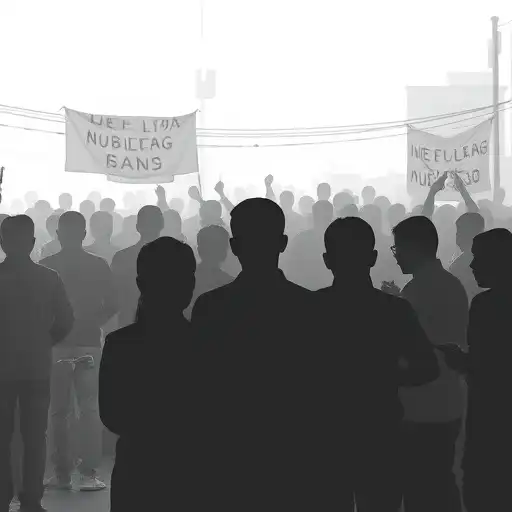
The Intricacies of Jueteng and PPGG
Jueteng, an illegal numbers game deeply entrenched in the Filipino culture, has long been a subject of debate among policymakers, legal bodies, and the public. This underground lottery game might appear insignificant at a glance, but its ramifications resonate through economic, social, and political facets in the Philippines.
Understanding Jueteng
Jueteng is a clandestine game of chance that involves betting on numbers, typically ranging from 1 to 37. Unlike organized lotteries, Jueteng functions on an unregulated basis, making it an illegal activity under the national law. Its pervasive nature and historical endurance highlight its embedment in local culture, especially among lower-income segments, who often see it as a quick means to improve their financial circumstances.
The Mechanics of Jueteng
Participants in Jueteng select numbers and place wagers through local collectors or 'cobradores'. These numbers are then passed on to operators known as the 'kubradores' who facilitate the drawing process. Despite its underground status, Jueteng manages to function akin to a well-oiled machine, largely due to its organization by local syndicates.
The Pervasive Influence and Economic Impact
Jueteng thrives in part because of economic disenfranchisement. Many Filipinos, especially those in poverty-stricken areas, see the game as a potential windfall necessary for survival. The stakes are low, but the allure of significant returns attracts many players. However, this illicit enterprise siphons potential tax revenues away from the government, perpetuating the cycle of poverty and undermining state-run lotteries.
Social and Political Ramifications
The societal impact of Jueteng goes beyond its economic dimensions. Culturally ingrained, it often becomes a social event within communities, fostering a sense of camaraderie among players. Conversely, it also breeds corruption as local officials may turn a blind eye to Jueteng operations. In some cases, it is alleged that portions of the proceeds lubricate the wheels of political campaigns, creating a complex web of corruption.
PPGG: A Potential Framework for Resolution
Enter PPGG, a conceptual framework introduced to tackle issues similar to those fostered by Jueteng. PPGG stands for 'Prevention, Protection, Governance, and Growth'. Its goal is to establish measures that not only suppress illicit activities but also provide viable alternatives that can facilitate genuine economic and social development.
ZZ 77Prevention
The first pillar, prevention, concerns itself with curbing the proliferation of illegal games through awareness campaigns and educational programs. By publicizing the adverse effects of gambling, especially on vulnerable populations, the PPGG framework aims to diminish the allure of Jueteng.66GG
Protection
OKPMeanwhile, protection focuses on safeguarding potential victims, particularly those with economic constraints. Providing these communities with microfinancing options and employment opportunities could diminish their reliance on schemes like Jueteng.
Governance
KC BETGovernance within PPGG emphasizes transparency and accountability among public officials. This could mean the implementation of stricter regulations and reformative measures against corruption. By doing so, PPGG aspires to mitigate the societal structures that enable Jueteng's existence.
Growth
The growth aspect focuses on sustainable community development. Through investment in infrastructure, education, and social services, the framework seeks to tackle the root causes of gambling dependence. By fostering an environment of growth, communities could potentially pivot away from illicit activities towards more sustainable forms of livelihood.
The Road Ahead
Addressing Jueteng and the issues surrounding it requires a multi-faceted approach. PPGG offers a comprehensive strategy that extends beyond mere law enforcement. It provides a pathway towards sustainable economic improvement and social empowerment. By focusing on the foundational issues that allow Jueteng to flourish, PPGG could pave the way for significant transformations within communities reliant on this illegal economy.
However, the journey towards eliminating Jueteng is fraught with challenges. Implementing any framework on a national scale demands an unwavering commitment from government authorities and cooperation from local communities. While Jueteng may remain an entrenched element of the socio-economic landscape for now, frameworks like PPGG offer a glimmer of hope for those seeking to eradicate corruption and foster an equitable society.
73B